New Delhi/Washington, October 18, 2025:
India has refuted US President Donald Trump’s claim that Prime Minister Narendra Modi assured him New Delhi would stop purchasing oil from Russia. The remark, made during Trump’s meeting with Ukrainian President Volodymyr Zelenskyy at the White House, has drawn attention both for its diplomatic implications and for the Indian government’s swift denial.
Trump Repeats Claim on India’s Russian Oil Imports
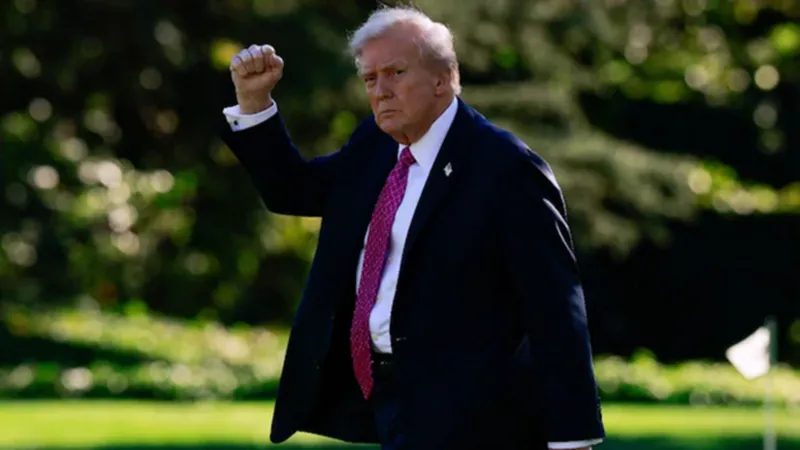
Speaking to reporters at the White House on Friday, President Trump once again claimed that India had already reduced its imports of Russian crude and would no longer buy oil from Moscow.
“India will not be buying oil from Russia. They’ve already deescalated,” Trump said, suggesting that he had personally discussed the matter with Prime Minister Modi earlier this week.
According to Trump, the alleged phone call with Modi included assurances that India would “stop buying oil from Russia,” describing it as a “big step” toward isolating Moscow economically amid the ongoing war in Ukraine.
He added that he had expressed concern to Modi about New Delhi’s continued purchases of Russian crude, which Washington argues help fund President Vladimir Putin’s military campaign.
Despite the remarks, Trump maintained a warm tone toward India, calling the Indian leader a “close friend.”
“He’s a friend of mine. We have a great relationship,” Trump said when asked if India remains a reliable partner, especially amid tensions with China.
India’s Ministry of External Affairs Denies the Claim
India’s Ministry of External Affairs (MEA) quickly dismissed Trump’s statement, clarifying that no such phone conversation had taken place between Prime Minister Modi and President Trump.
“On the question of whether there was a conversation or a telephone call between Prime Minister Modi and President Trump, I am not aware of any conversation yesterday between the two leaders,” MEA spokesperson Randhir Jaiswal told reporters during a media briefing in New Delhi.
The denial came shortly after Trump’s comments went viral, sparking debate among political observers about the accuracy of his statements and their potential diplomatic fallout.
Trump’s Mixed Tone on Energy Diplomacy
Trump’s remarks about India formed part of a broader discussion on energy policy during his joint appearance with Ukrainian President Zelenskyy. The US President has repeatedly claimed that he could end the Russia-Ukraine war through “tough diplomacy” and tariff-based pressure, including cutting off global purchases of Russian energy.
However, Trump’s tone notably softened when addressing Hungary’s continued reliance on Russian oil. He defended Budapest, saying that its geographic position left the country with limited options.
“Hungary is sort of stuck because they have one pipeline that’s been there for years,” Trump said. “They’re inland — they don’t have sea access. It’s very hard for them to get oil. I understand it.”
The President added that Hungary had already begun reducing its dependency.
“They have already deescalated and more or less stopped. They are pulling back,” Trump said, claiming that Hungary’s oil imports from Russia had dropped from 38% and would decline further.
Hungary to Host Trump-Putin Summit
Observers have noted that Trump’s sympathetic tone toward Hungary may be linked to an upcoming summit between Trump and Russian President Vladimir Putin, set to take place in Budapest within two weeks.
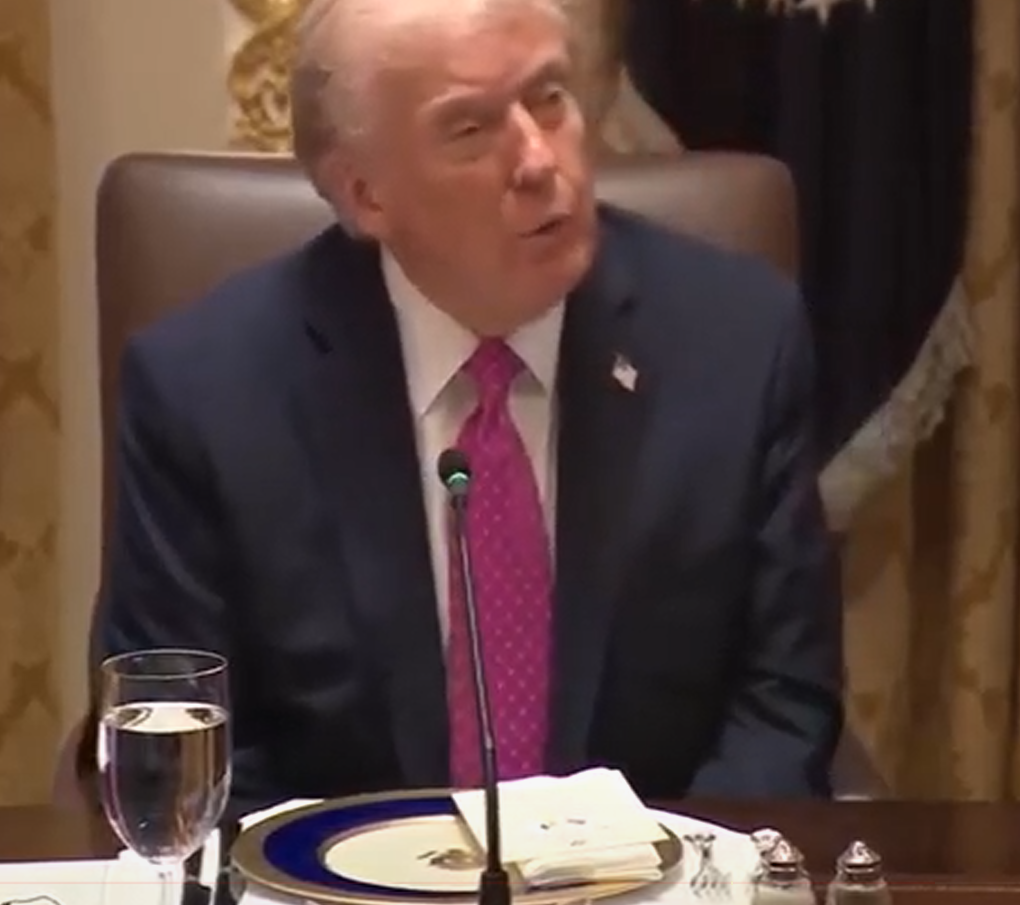
“We like Orban,” Trump said, referring to Hungarian Prime Minister Viktor Orban, whom he described as “a very great leader.”
Trump said he chose Budapest as the meeting venue because both he and Putin “admire Orban,” calling the upcoming event a “peace summit” aimed at ending what he described as the “inglorious war in Ukraine.”
India’s Energy Policy Remains Unchanged
Despite the US pressure, India has maintained that its oil purchases from Russia are based on national interest and not geopolitical alignment. Indian officials have repeatedly emphasized that the country will continue sourcing affordable energy to meet domestic demand.
India has also defended its imports by highlighting that it complies with international sanctions frameworks and that European nations have imported far more Russian energy than India since the start of the Ukraine war.
Analysts say New Delhi’s stance reflects its long-term strategy of balancing global partnerships — maintaining ties with both Washington and Moscow while prioritizing energy security.
As the diplomatic war of words continues, neither Washington nor New Delhi has confirmed any official communication regarding oil purchases.