
A Bureaucrat-Minister Rift Shakes Telangana Administration
The Telangana government has been hit by a major controversy after a public rift between IAS officer S.A.M. Rizvi and Excise Minister Jupally Krishna Rao over the handling of a liquor hologram tender. The conflict escalated quickly, ultimately pushing Rizvi, a 1999-batch IAS officer and Principal Secretary (Revenue – Commercial Taxes and Excise), to seek voluntary retirement (VRS) well before his tenure ended.
The issue, which started as an administrative disagreement, has now evolved into a full-blown political and bureaucratic storm.
At the Heart of the Controversy: The Liquor Hologram Tender
The dispute centers around the holographic label tender, a key process that ensures liquor bottles carry secure, tamper-proof labels to prevent counterfeiting and safeguard state excise revenue.
Minister Jupally Krishna Rao had reportedly directed Rizvi to initiate new tenders for these hologram labels and assign the matter to an expert committee. However, the Minister alleged that the officer “sat on the file” for months and failed to act on official instructions, stalling a critical revenue-related initiative.
This accusation of administrative delay triggered a breakdown in coordination between the bureaucratic and political arms of the Excise Department — a relationship already under strain due to earlier disputes.
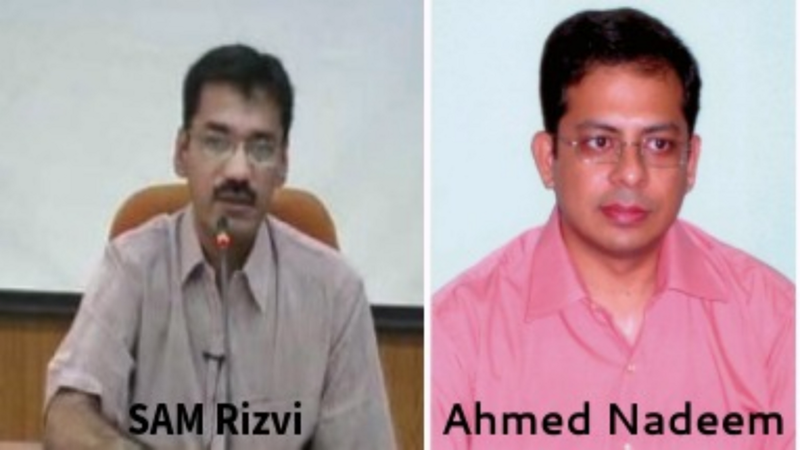
Allegations and Complaints Against the IAS Officer
The liquor tender dispute wasn’t the only flashpoint. The Minister reportedly sent a detailed complaint to the Chief Secretary, listing eleven allegations against Rizvi. Among them were claims that he:
- Ignored issues raised by the Bars Association and Liquor Shops Association despite repeated directions.
- Obstructed ministerial functions by failing to follow instructions in cases involving major distilleries and blenders.
- Bypassed ministerial authority by sending sensitive files directly to the Chief Minister’s Office (CMO) without prior approval.
- Refused to process Letters of Intent (LOI) under the Telangana Distillery Rules, insisting the authority rested with the Council of Ministers, not the department head.
Sources within the department said the growing mistrust between the two made it impossible for normal functioning to continue.
Rizvi Opts for Voluntary Retirement
Facing mounting political pressure and administrative hostility, SAM Rizvi opted for voluntary retirement, despite having nearly a decade left in service. His decision has been interpreted by many as an act of protest against alleged political interference.
In response, Minister Jupally Krishna Rao formally requested the Chief Secretary to reject the VRS application and take “stringent action” against Rizvi for alleged insubordination and misconduct.
The matter has sparked discussions within bureaucratic circles about the erosion of administrative independence in politically sensitive departments.
What the Controversy Reveals About Governance
The Telangana liquor tender controversy underscores a recurring issue in Indian governance — the delicate balance of power between the political executive and the permanent bureaucracy.
While elected representatives are tasked with policymaking and implementation, bureaucrats are expected to ensure transparency, legality, and procedural correctness. When these roles collide — particularly in high-stakes sectors like liquor trade — tensions are inevitable.
Telangana’s liquor business is a major revenue generator, and the hologram tender carries multi-crore implications. For some, Rizvi’s stance represents bureaucratic integrity and adherence to procedure; for others, it appears as defiance against political authority.
The Broader Implications
This public confrontation has reignited debates over the autonomy of civil servants. Bureaucrats often find themselves walking a fine line — implementing government decisions while upholding administrative ethics.
The outcome of this case may influence how future conflicts between ministers and senior officers are handled in Telangana and beyond. Many observers believe it could prompt the state to revisit rules governing bureaucratic accountability and ministerial oversight