
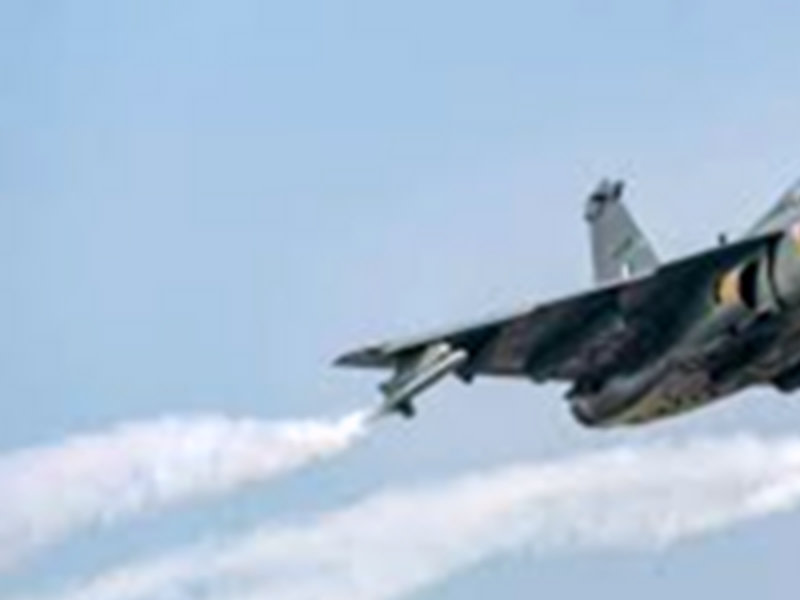
India’s defence sector just achieved a historic milestone. The government is moving to finalize one of its largest-ever contracts for domestically manufactured military equipment. This massive agreement is for procuring an additional 97 Light Combat Aircraft (LCA) Tejas Mk-1A fighters for the Indian Air Force (IAF). This monumental deal is worth an estimated ₹66,500 crore (around $8 billion USD). It represents a powerful win for the ‘Aatmanirbhar Bharat’ (Self-Reliant India) initiative. State-run aerospace company Hindustan Aeronautics Limited (HAL) is now set to become a major global fighter jet producer.
The Cabinet Committee on Security (CCS) has already approved the contract. It will significantly expand the IAF’s indigenous fighter fleet. Once signed, the total confirmed order for the advanced Tejas Mk-1A variant will reach 180 aircraft. This commitment is crucial for the IAF’s modernization plan. It will quickly replace aging squadrons. The immediate focus is on the phased retirement of the older MiG-21 fleet.
Contract Condition: HAL’s Delivery Performance is Key
This huge contract has a very important condition: it depends on HAL’s performance. The Ministry of Defence (MoD) clearly stated that the new 97-jet contract will only be signed after HAL successfully delivers the initial aircraft from a previous order.
That initial order was for 83 Tejas Mk-1A fighters, signed in February 2021 for about ₹48,000 crore. The MoD requires the successful delivery of the first two of these 83 jets. This delivery will officially trigger the new contract signing.
HAL is working hard to meet this deadline. They are quickly rolling out the first aircraft under the 2021 agreement. These first few deliveries should happen soon. They are more than just a logistical event. They validate the entire Mk-1A program’s progress. The program faced minor delays earlier. These delays were mostly due to global supply chain problems for key parts, like the F404-IN20 engines from GE Aerospace in the US. Successfully completing this first delivery proves HAL’s capability to manage complex, large-scale production.
Tejas Mk-1A: Advanced Features and Increased Power
The Tejas Mk-1A is a big step up from the original Tejas Mk-1 platform. It is not a simple repeat of an old order. It includes over 40 essential upgrades. These improvements boost the fighter’s combat power, make maintenance easier, and increase the pilot’s chance of survival in battle. This version turns the Tejas into a potent, modern, fourth-generation-plus multi-role aircraft. It can certainly compete in modern air combat.
The Mk-1A boasts several key technological features:
- Active Electronically Scanned Array (AESA) Radar: This modern radar system provides better detection and tracking. It can manage multiple air-to-air and air-to-ground targets at once. This greatly improves the pilot’s awareness.
- Advanced Electronic Warfare (EW) Suite: A comprehensive self-protection package is included. It offers better defenses against enemy radar-guided missiles. This is crucial for high-intensity missions.
- Enhanced Missile Capability: The Mk-1A seamlessly integrates advanced Beyond Visual Range (BVR) missiles. These include the Indian-made Astra. It also carries high-performance Advanced Short-Range Air-to-Air Missiles (ASRAAM). This makes the aircraft much deadlier.
- Air-to-Air Refuelling (AAR) Capability: An AAR probe is now standard. It extends the fighter’s operational range and endurance. This allows for longer patrol and deeper strike missions.
The new 97-aircraft order is structured smartly. It balances combat and training requirements. It includes around 68 single-seat combat fighters and 29 upgraded Mk-1A twin-seat trainers. These trainer aircraft are important. They will have the exact same advanced systems as the combat fighters. This ensures pilots transition smoothly and maintain high operational readiness for the IAF.
Scaling Up Production and Securing the Engine Supply
HAL has started an aggressive plan to increase its manufacturing capacity. This is necessary to meet the demanding timelines for the combined 180-jet fleet. The company has set up a dedicated third production line in Nashik, Maharashtra. This facility will support its two existing manufacturing plants in Bengaluru, Karnataka.
HAL’s immediate goal is to increase its annual production of LCA Tejas jets. They want to go from the current rate to about 24 aircraft per year. The company is also planning for further expansion. They aim to push the annual capacity even higher soon. This will help them keep pace with the IAF’s needs.
Furthermore, the new 97-jet contract links directly to another huge sub-contract. This deal is with GE Aerospace for an extra 113 F404-IN20 engines. This engine contract is estimated to be worth over $1 billion. It is extremely important. By securing a large, long-term engine supply, India can avoid the component shortages that complicated the first order. This guarantees a stable flow of necessary parts to support the fast production schedule.
The finalization of this monumental deal is more than a simple defense purchase. It defines a turning point for India’s own defense industry. It gives the IAF a powerful, modern, and locally-developed multi-role fighter. It also helps build a strong domestic aerospace manufacturing base. This commitment drives technological self-reliance (Aatmanirbhar Bharat). It also significantly increases India’s ability to become a major global exporter of advanced military aircraft. Deliveries from the new order are expected to begin after the first batch of 83 jets is complete, likely starting around 2028.